How To Design And Create Successful Bunk Bed And Single Bed How-Tos And Tutorials To Create Successful Bunk Bed And Single Bed Home
Choosing Between a Bunk Bed and Single Bed When choosing a bunk bed or single beds, it is important to consider the mattress's size and the options. Twin mattresses are ideal for children or adults who are sleeping on their own. They work best in rooms that measure 7 feet by 10 inches. A full bunk that is twin over a bed is a great option for families that have children of various age groups. Another option that is very popular is the futon bunk that features a lower futon that can be converted into bed. Space Saving Bunk beds are a fantastic option for families who want to maximize their living space. This kind of furniture allows families to have two beds in the same space without wasting the floor space which could be used for other furniture such as desks and dressers. Bunked beds are a great option for kids' rooms, since they offer more space for playing and studying. They also save room in small living spaces. They also make a great alternative to single bed frames for adults. Savvy bunkbed owners can add accessories and decors that enhance their bed and make the beds feel more like a home. The primary benefit of a bunk bed is that it allows children to share the same room. This arrangement can lessen the conflict of sharing a bedroom and improve overall harmony in the family. It also increases the amount of storage space in the child's bedroom by eliminating the need for extra dressers and other large furniture pieces. There are a variety of bunk beds. However, wooden bunk bed single have similar designs that maximize space. A standard bunk bed consists of two identical-sized mattresses stacked on top of the other. A full-size twin bed is set up in the same manner with two beds of a full size on the bottom and a twin mattress on the top. A futon bunk is a mix of a regular bunk with an American-style futon couch which converts to a sofa. It is a great choice for families looking for an old-fashioned, space-saving bunk. The bunk beds with multiple levels could require more frequent repairs and maintenance. In addition, bunk beds may not be as accessible for patients with mobility issues or at risk of falling when in comparison to single beds. It is crucial for healthcare facilities to weigh initial costs versus long-term value when choosing the best bedding solutions for their facility. Single beds are less expensive to maintain than bunk beds, and their basic design makes them easy to clean and repair. They can be moved around in order to meet the requirements of patients or to allow for changes in the room layout. This flexibility is particularly useful for facilities for behavioral health care which must be able to accommodate a wide range of patient demographics. 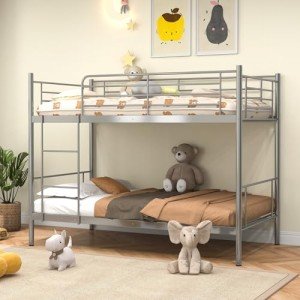 Convenience Bunk beds are a great solution for families with children of various ages. A twin over full bunk configuration is perfect for siblings with different preferences for sleep. For instance, children who are younger might prefer to be close to dad and mom, while older children may prefer sleeping on their own. Additionally, bunk beds can reduce costs by reducing the number of mattresses you need to purchase. Certain bunk beds have built-in storage systems that eliminates the need for separate dressing tables in rooms for patients that help to reduce clutter in rooms and increase space. Another benefit of bunk beds is their ability to assist facilities in increasing capacity of beds. They are ideal for cramped rooms, like rehabilitation centers and youth psychiatric units where patients often share accommodations. They can also be used to accommodate large numbers of patients in long-term care facilities. While bunk beds can offer numerous advantages, they can be more difficult to clean and maintain than single beds. The additional stress on joints and frames could lead to more wear and tear. This means more frequent inspections and regular maintenance. The bunk bed layout can create accessibility issues for individuals with mobility matters or health issues that are specific to them. The ladder climb both up and down is dangerous, especially for seniors. Single beds are, however, can be rearranged to suit different room layouts and provide patients with a personalized environment. According to the Journal of Environmental Psychology, this flexibility increases occupant satisfaction by 25%. Take into consideration your patient demographics, your space constraints and your maintenance requirements when choosing the right bed for your facility. Bunk beds are an excellent solution for facilities that need to conserve space and need less time to set up, while single beds are a great option for rooms that have high turnover or low budgets. Choose a model with a mattress that is simple to clean when looking at bunk beds. The most suitable bunk mattress is an innerspring hybrid latex, memory foam or latex However, some people might prefer to use futon mattresses. Make sure the mattress on the bunk bed is covered or slatted. A slatted bunk bed has the base of slats or slat rolls, that are screwed or hammered together to support the mattress. Safety When constructing the health facility, bed safety is a crucial consideration. Bunk beds can create an environment that is safe by maximising space and minimizing risk. They also reduce the risk of injury due to their lower center-of-gravity. This is beneficial for those who are physically impaired and elderly. Proper assembly and regular maintenance are the most important factors for bunk safety. Examine for unstable or loose pieces and reinforce any weak points to avoid structural failure. Adhere to manufacturer-recommended weight limits, as excess loading can compromise stability. To avoid falling or entrapment, make sure that ladders are secured to the frame. Children should be allowed to sleep on the top bunk only after demonstrating their ability to safely climb up and down. They should also be able to manage their personal hygiene without supervision or assistance for instance, going to the bathroom and getting dressed. In addition, bunk beds must be positioned far enough away from windows to minimize the risk of injuries resulting from windows. One drawback of bunk beds is their ineffective motion and noise isolation, which may annoy light sleepers. The bunker on the bottom might be able to hear or feel their peers moving around in their bed. Single beds, however, offer more sound and better motion isolation. They are also versatile enough to accommodate a range of patient demographics, as well as room sizes. The budget and the specific requirements of the facility will determine which bed type to select. A bunk bed is an affordable option for healthcare facilities with limited space and a high patient turnover rate, while single beds are suitable for long-term care units and rehabilitation centers that have a steady population. It is important to consider the initial cost versus the long-term value and place an emphasis on patient comfort and security. Regular inspections and timely maintenance are crucial for all beds, regardless of their nature. According to the Facilities Management Journal, a proactive strategy for maintenance can reduce repair costs up to 15%. Functionality In addition to the obvious space-saving benefits In addition, bunk beds create a sense of community between siblings or other friends who share the same space. They are a great option for families with children of different age, or even several children sharing a room. They can also be utilized in youth rehabilitation or psychiatric centers where patients have to sleep in groups. Bunk beds can be found in different configurations to fit the needs of any room and some even have built-in storage options. Twin over full bunks are very popular and typically feature a single twin mattress at the bottom and an additional double mattress on top, which is ideal for families with children who are different in age or adults that prefer to share the bed with a spouse or a companion. L-shaped bunks can be a stylish alternative to the traditional bunk layout. The lower portion of the unit can be used as a futon which can be used as a couch, or rearranged to create an extra bed. Bunk beds are more space-efficient but they also require more maintenance due to their multi-tiered design. This can include more frequent repairs as well as regular inspections to ensure safety as reported by the Facilities Management Journal. Single beds however are less troublesome to maintain and require less routine attention, which makes them more cost-effective for long-term use. Another consideration when choosing bunk beds is that they tend to offer less privacy than single beds because guests share their immediate space with someone else. Some individuals may find this difficult, especially in shared housing settings such as rehabilitation centers or transitional homes. The bunk beds as well as single beds can be made custom with additional features like desks or storage solutions to create a more efficient sleeping space. This is especially useful in smaller spaces that require to maximize their space. They can help reduce clutter and free up space on the floor for other activities or furniture. Some bunk beds are divided into two beds. This allows them to grow along with the child, and offer comfort as they transition into adulthood.